
The Mueller neighborhood is a testament to Austin’s forward-thinking approach to urban living. Built on the site of the former Robert Mueller Municipal Airport, this community is a masterclass in “New Urbanism”—walkable streets, native landscaping, and high-efficiency homes designed with sustainability at their core.
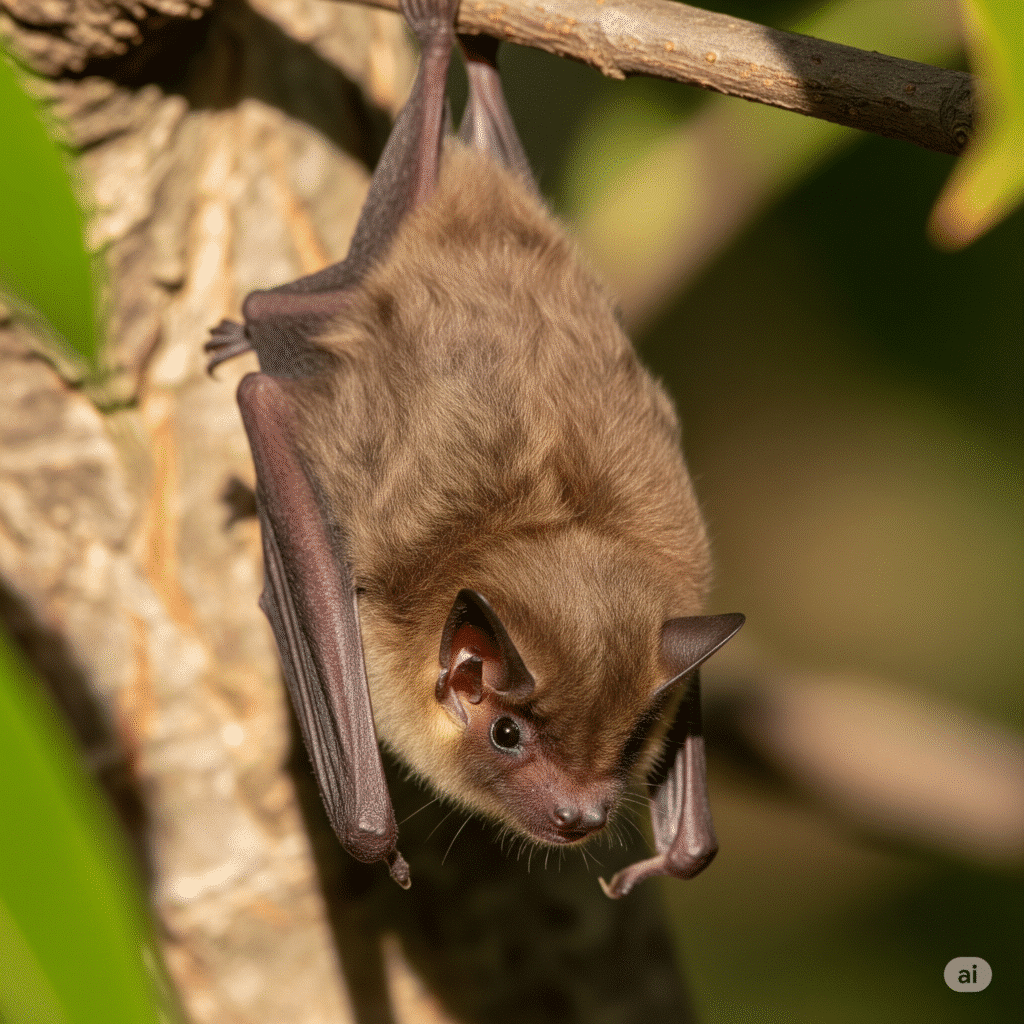
However, as any Mueller resident knows, being a leader in green living often means living in closer proximity to the local ecosystem. While the neighborhood’s parks and ponds are a haven for birds and beneficial insects, the modern architecture that defines Mueller has created an unintended side effect: it is the perfect habitat for the Mexican Free-Tailed Bat.
At Prickly Pear Wildlife Removal, we’ve seen a significant uptick in bat activity within the 78723 zip code. In this guide, we’ll explore why Mueller’s modern vents are “bat magnets” and how we use humane, eco-friendly exclusion techniques to keep your home safe without harming these vital members of our local environment.
Why Mueller is a Bat’s Favorite Suburb
If you walk through Mueller at dusk, you’ll likely see bats darting over the Ella Wooten Park pool or hunting insects near the Southwest Greenway. Bats are essential to Austin; a single colony can consume millions of mosquitoes and agricultural pests in a single night.
But why are they moving into your attic?
1. High-Efficiency Ventilation Gaps
Modern homes in Mueller are designed to “breathe” to maintain energy efficiency. This involves complex roofline junctions and specialized HVAC venting systems. While these vents are great for your electric bill, they often feature small gaps—sometimes as narrow as a quarter-inch—that are just large enough for a Mexican Free-Tailed Bat to squeeze through.
2. The Solar Array Advantage
Many homes in Mueller feature rooftop solar panels. These arrays create a protected, temperature-regulated void between the panel and the roof deck. Bats often use these spaces as “staging areas” before finding a way into the attic space through a nearby ridge vent or soffit gap.
3. Urban Heat Islands
The dense construction and thermal mass of modern materials (like metal roofing and stone siding) absorb heat during the day and radiate it at night. Bats seek out these warm “hot spots,” especially during the maternity season when they need a stable, warm environment to raise their pups.
The Legal and Ethical Reality of Bat Removal
Before you consider sealing up a hole in your roof, it is critical to understand the rules. In Texas, bats are a protected species.
The Bat Maternity Season Rule: In Central Austin, bat maternity season typically runs from April to August. During this time, it is illegal (and unethical) to perform bat exclusions. Why? Because the flightless “pups” are left behind in the attic while the mothers go out to hunt. If you seal the entrance, the pups will die inside your walls, leading to a massive odor problem and a violation of state wildlife laws.
At Prickly Pear, we strictly adhere to these windows. We perform inspections year-round, but we only execute the “move-out” when it is safe for the entire colony to relocate.
The Prickly Pear Solution: Humane Exclusion
Mueller residents value the environment, and so do we. We don’t use “pest control” methods (which often involve harmful chemicals); we use Wildlife Engineering. Our process is designed to be permanent, aesthetic, and humane.
Phase 1: The Multi-Point Inspection
We start by mapping the “flight paths” around your home. We look for guano (bat droppings) or “rub marks” (oily stains left by bat fur) near roof peaks, gable vents, and chimney flashings. Because bats are social, if you see one, there are likely dozens more you don’t see.
Phase 2: Installing the “One-Way Door”
We don’t “trap” bats. Instead, we install a specialized exclusion device—a one-way valve or tube.
- How it works: When the bats wake up at sunset to head to the Congress Avenue Bridge or nearby parks to feed, they crawl through the tube and fly away.
- The Trick: The device is designed so that when they return a few hours later, they cannot figure out how to get back in. Their sonar tells them the hole is “gone.”
Phase 3: “Harden” the Structure
While the one-way door is active, we go to work on the rest of the house. We use steel mesh and professional-grade sealants to close every other potential entry point.
- Aesthetic Focus: In a neighborhood like Mueller, looks matter. We use color-matched materials where possible that blend into your modern trim and metalwork so that your home stays protected without looking like a construction site.
Phase 4: The Final Seal and Decontamination
Once we have confirmed (via evening “bat watches” and internal inspections) that the attic is empty, we remove the exclusion device and perform the final permanent seal.
Finally, we address the Guano Problem. Bat droppings can harbor Histoplasma capsulatum, a fungus that can cause respiratory issues. We perform a safe, HEPA-filtered cleanup and sanitize the attic space with an enzyme-based cleaner to remove pheromones that might attract future colonies.
Living in Harmony with Austin’s Bats
Having bats in your neighborhood is a good thing; having them in your insulation is not. By professionally “bat-proofing” your Mueller home, you are doing your part to keep the local ecosystem healthy while protecting your family’s health and your property value.
Signs You Might Have a Bat Problem:
- The “Scratching” Sound: Bats don’t chew like rodents; you’ll hear a light scratching or “clicking” sound in the walls or ceiling, usually at dusk or dawn.
- The Smell: A distinct, pungent, ammonia-like odor in the attic or near a specific vent.
- Staining: Dark, greasy smudges around small holes or gaps in your siding or roofline.
Conclusion: Mueller’s Modern Wildlife Experts
If you suspect you’ve got a colony of Mexican Free-Tailed Bats taking up residence in your Mueller home, don’t wait for the problem to grow, contact Prickly Pear now. Bat colonies grow larger every year they are left undisturbed, and the cleanup becomes more intensive over time.
Prickly Pear Wildlife Removal is a local, Pflugerville-based business. We live where you live, and we understand the specific architectural challenges of modern urban builds. We’re here to ensure that Mueller stays green, sustainable, and wildlife-free—at least inside your home.