
There’s a snake in my boot! A Pet Snake…

Snakes have a flexible spine containing hundreds of vertebrae (humans have 33) allowing them the flexibility to squeeze into tight spaces. This is what makes your pet snake an excellent escape artist. Instinctively, most species love to remain hidden by taking cover in their natural habitat and by using camouflage, keeping them safe from predators and allowing them to excel at catching their prey. If you’ve been a pet owner for any amount of time, scaly or not, you have probably had a scare or two. While this is a cause for concern, these are some tips if your pet snake has gone missing. What to do when your pet snake gets out? Google is your friend! It never hurts to read about how others have found their lost pet snake and try some of their ideas. Click the link below for some quick tips. Don’t panic – the last thing you want to do is start frantically destroying your house and making a cluttered mess for your pet snake to go find fun new hiding spots in. While it is easy to get overwhelmed or frustrated after learning your pet snake has gone missing, you will have an easier time locating them if you can stay calm. Be sure to check the habitat a few times, some pet snakes will get stuck behind wallpapers or fake rock backgrounds, on the underside of hideouts or even the tank lid itself. Check the decor items thoroughly and take everything out from the enclosure and start working your way through the substrate. Make sure all exterior doors are closed and start in the room where the enclosure is located. Then pick a corner of the room, and carefully search inside and around every item. Inside of shoes (yes even boots), dresser drawers, socks, underneath and behind appliances (these often produce heat and will attract your scaly friend), plants, blankets, bed frames, boxes, etc. Be sure to check under furniture and that there are no holes under couches or mattresses that they could’ve gotten into. Look through items carefully but take into account the size of your pet snake. If you have a 12 foot reticulated python, there’s no need to check inside the shoes and socks. A much smaller pet snake, such as an 8 inch corn snake will fit into plenty of cramped spaces. It’s always a good idea to check high and low, especially if you have an arboreal species but you should never assume heavy bodied snakes or terrestrial species will stay low to the ground. Unfortunately, planting rodent snacks around your house has proven to have a low success rate in helping to find your lost pet snake but will cause your home to have a not so pleasant smell! You may however, have some success with coating non-carpeted floors in flour or baby powder to allow you to see tracks if your snake is on the move when you’re not looking. Stacking empty aluminum cans along edges of walls in non carpeted areas and listening to hear them fall over but not cause injuries to your pet snake. Plastic groceries bags are great to spread throughout the house on areas with or without rugs and carpet. If you are still having trouble, lowering your thermostat a few degrees (do NOT make it too cold) and set up a few heat mats or basking areas for your snake may draw them out of hiding. You want to avoid making the house too cold (for your sake and theirs) as this could cause them to become lethargic and sluggish, if they get too cold they may not want to move around much and it could cause them to get sick. A couple degrees lower than the normal room temperature for your house should be the perfect amount. What NOT to do when your pet snake gets out Do not set up tape or glue traps. While there is a small chance your pet snake may slither across one during their adventures, these can be incredibly dangerous and cruel to not only your beloved pet but to any other creature that may stumble across them- either in your house or even after you’ve disposed of the traps. Avoid moving heavy furniture or appliances. Grab a flashlight and check behind, underneath and along all crevices but moving heavy objects could injure the snake or cause them to wedge further into hiding. Don’t chase or corner your pet snake once you spot them. Just like any animal, especially one outside of its normal comfort zone, moving too quickly or without analyzing the current situation could cause you to lose them again. Swiftly but calmly move towards them and make sure the direction they will most likely move (away from you) is not towards any objects they could suddenly move underneath or behind. If necessary, walking towards them to persuade them into a smaller, less cluttered room may benefit your ability to capture them. How to avoid future escapes Invest in some enclosure locks. Whether you have a front opening or top opening enclosure, plastic, pvc, glass, wood or something else- there are many different ways you can secure your enclosure. Some pet snake owners will use heavy objects such as textbooks, while this can be a temporary solution, books can easily be knocked off or larger snakes are able to still lift the lids despite the weight or find a gap where there isn’t anything heavy and find their way to freedom. While heavy duty locks with keys or combinations are recommended for venomous reptiles (and still a good option for non-venomous), there are a variety of pins, wedges, clasps and much more that will ensure your pet snake doesn’t have any unsupervised playdates. Install a seal to the bottom of the door of the room where your snake’s enclosure is and keep the door shut at all times as a secondary measure in case they do get out, they will
Zoonotic Diseases: Widlife Diseases that really Bite
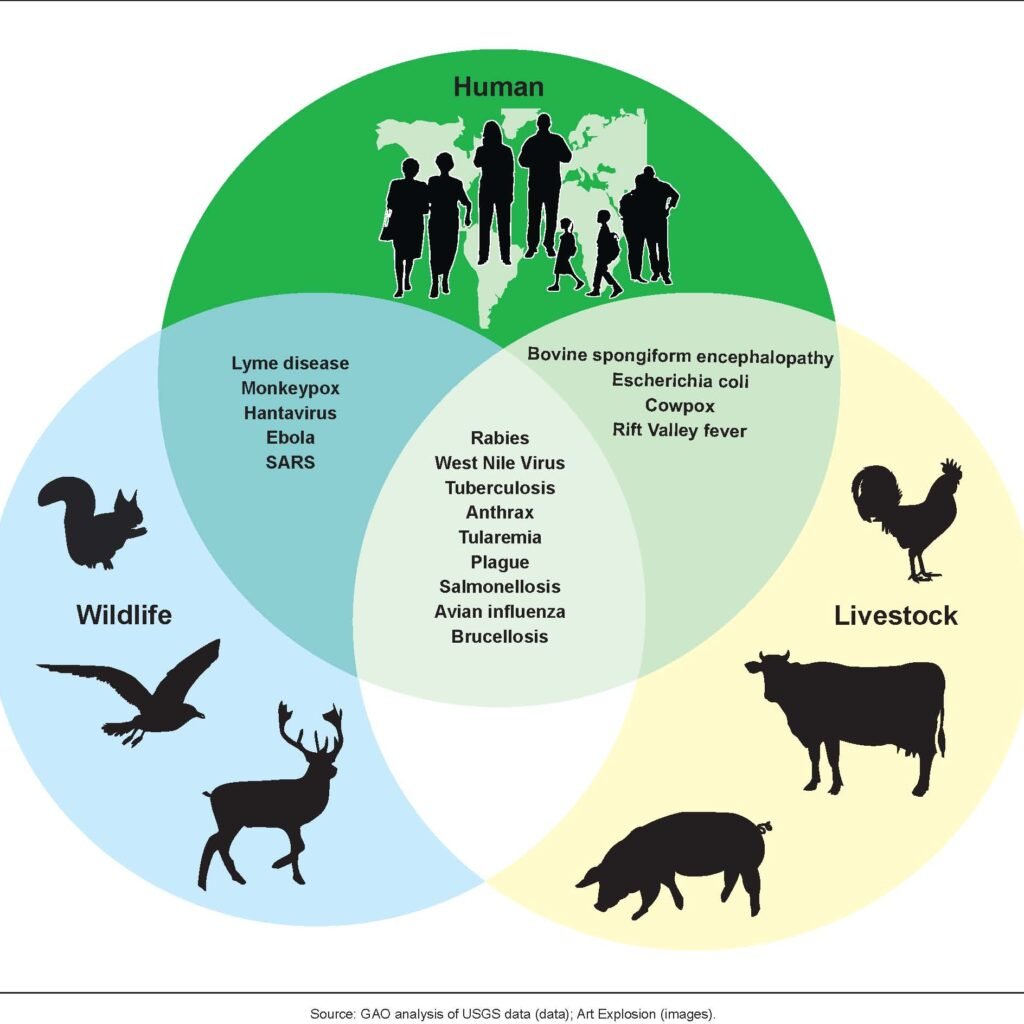
Wildlife, while often charming and fascinating, can pose significant health risks. Zoonotic diseases are illnesses transmitted between animals and humans and are a concerning reality when you come in contact with these animals, their den sites, or their feces as these diseases can be spread through various means, including bites, scratches, contact with bodily fluids, or even airborne particles. Common Wildlife Carriers and Their Associated Diseases Preventing Zoonotic Disease Transmission To minimize the risk of zoonotic diseases, consider the following preventive measures: Conclusion Because of this, Prickly Pear employees take extra precautions when working in environments where droppings, animals, or nesting material is present to ensure our safety. By understanding the risks associated with wildlife and taking proactive measures, you can significantly reduce your chances of contracting a zoonotic disease. If you suspect a wildlife infestation or have been exposed to a potentially infected animal, seek medical attention immediately. The best way to keep your home and family safe from these diseases is by having Prickly Pear’s trained inspector out to your house annually to look through all of the common entry points and identify any issues early. While wildlife can enter the home at any time, it is most often gradual and with early identification of problems, we can limit the damage that wildlife can have.
Fly Away: Banishing Buzzing Pests
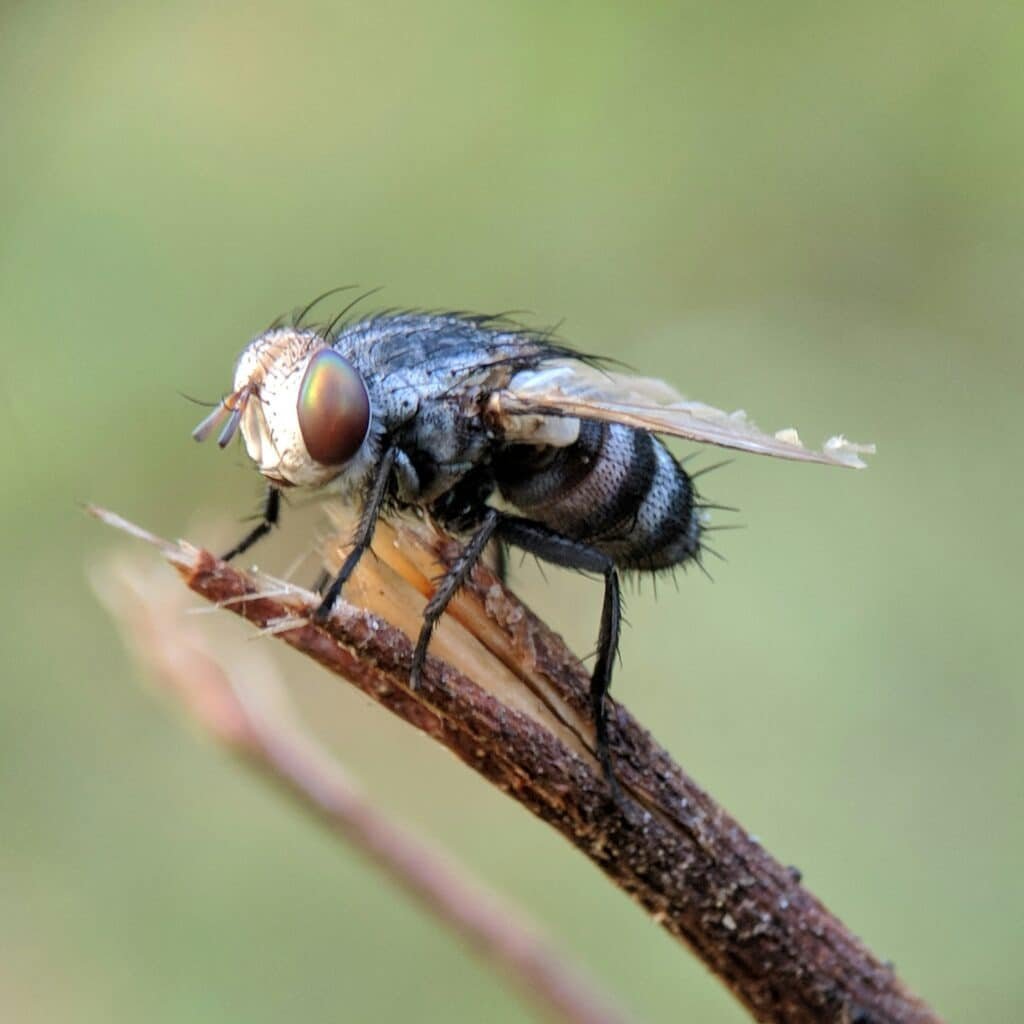
Flies, those pesky, buzzing insects, can quickly turn a pleasant day into a frustrating ordeal. From the annoying housefly to the disease-carrying fruit fly, these pests can invade your home or business, causing discomfort and potentially spreading germs. Understanding the Fly Problem There are countless species of flies, each with its own unique habits and preferences. Some common culprits include: The Dangers of Flies Beyond being annoying, flies can pose serious health risks. They are known to transmit a variety of diseases, including typhoid fever, cholera, dysentery, and E. coli. Flies pick up bacteria on their feet and bodies as they come into contact with garbage, feces, and decaying matter. Then these flying pests transfer these germs to food, surfaces, and people. Gross right? DIY Fly Control: Taking Matters Into Your Own Hands While professional pest control is often necessary for severe infestations, there are several DIY methods you can try to reduce the fly population: Professional Pest Control: When to Call in the Experts If DIY methods fail to get your fly population under control or if you have a severe infestation, it’s time to call in a professional pest control service like Prickly Pear. We have the expertise and tools to effectively eliminate flies and prevent reinfestation and a warranty to guarantee the results! Prickly Pear’s pest team uses a combination of methods, including: Prevention is Key: Keeping Flies Away Regardless of who helps get your fly situation under control, to prevent future fly problems, it’s important to maintain a clean environment and take steps to eliminate potential breeding sites. Regular cleaning, proper food storage, and garbage disposal are essential for keeping flies at bay. Additionally, using screens on windows and doors can help prevent flies from entering your home. By combining preventive measures with effective control methods, you can create a fly-free environment and protect your family’s health.
Fleas Are a Real Itch
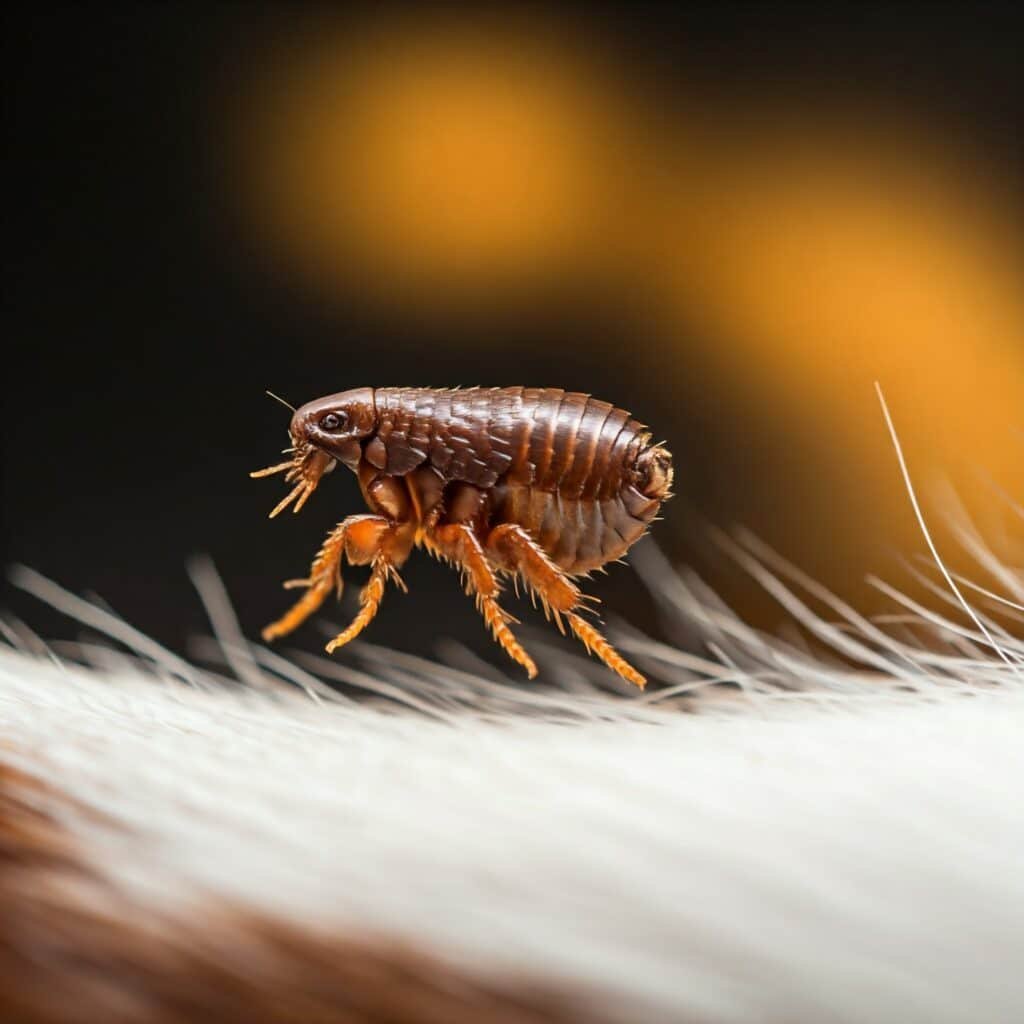
Fleas are tiny, parasitic insects that can make your home an itchy nightmare. These blood-sucking pests can quickly infest your pets, your home, and even your yard. While they might seem like a minor annoyance, fleas can cause significant discomfort and even transmit diseases. To effectively combat a flea infestation, it’s essential to understand the four stages fleas go through four stages: egg, larva, pupa, and adult. Adult fleas feed on blood, while the immature stages live in carpets, furniture, and bedding. This complex life cycle makes flea control challenging. Fleas are notorious for causing intense itching and skin irritation. Their bites can lead to scratching, which can result in skin infections. In severe cases, allergic reactions to flea saliva can occur. Additionally, fleas are known to transmit diseases, such as tapeworms, to pets and, in rare cases, to humans. DIY Flea Control: Taking Matters Into Your Own Hands While professional pest control is faster and often necessary for severe infestations, there are several DIY methods you can try to manage a flea problem: How Experts Help If your flea infestation is severe or other methods aren’t effective, it’s time to call in a professional pest control service, like Prickly Pear. We have the expertise and tools to eliminate fleas and prevent reinfestation. As wildlife control experts, we have seen and treated fleas in every situation and are at the ready for even the largest jobs. Professional pest control services typically use a combination of treatments, including: Preventing a Flea Comeback Once you’ve successfully eliminated a flea infestation, it’s essential to take steps to prevent a recurrence: Flea Bites and Beyond: Health Risks While the itching caused by flea bites is the most common problem, fleas can also transmit diseases. Tapeworms are a common parasite transmitted by fleas. While tapeworms primarily affect pets, humans can become infected through accidental ingestion of flea feces.To protect yourself and your family from flea-borne diseases, it’s essential to practice good hygiene, wash your hands thoroughly after handling pets, and avoid scratching flea bites to prevent infection. Summary By understanding the flea life cycle, implementing effective control measures, and taking preventive steps, you can successfully combat these pesky parasites and regain control of your home. However, fleas are not a problem that should be taken lightly. They can be complex to eliminate and require a professional like Prickly Pear to treat combined with regular cleaning and frequent vacuuming to over come. But don’t worry with our experts by yourside you can easily overcome these itchy invaders!
Groundhogs: Getting to Know Your Garden Guests

Groundhogs, often playfully called woodchucks, are large rodents native to North America. While their exact population is difficult to estimate, they are widespread across the United States, particularly in the eastern and midwestern regions. These creatures are most active during the spring and summer months, emerging from their burrows in search of food. Their diet primarily consists of vegetation, including grasses, clovers, alfalfa, and garden plants. An interesting fact about groundhogs is their hibernation habits. Considered pests by gardeners, as they eat the vegetables and fruits before the gardener can pick them, groundhogs do play a role in the ecosystem. They help to aerate the soil through their burrowing activities, which benefits plant growth. Groundhogs also serve as prey for various predators, including coyotes, foxes, and hawks. Fun Fact: Groundhogs can sleep for extended periods. This resulted in the midwest celebrating Groundhog Day, where a groundhog emerges to check for their shadow to predict the end of winter. Signs of Groundhogs on Your Property If you suspect groundhogs are making themselves at home on your property, there are a few signs to look for: Groundhog Breeding Season Groundhog breeding typically occurs in early spring, shortly after they emerge from hibernation. Gestation lasts about a month, and litters usually consist of two to five pups. The young groundhogs emerge from the burrow a few weeks after birth and are weaned within a couple of months and able to go off on their own to establish a new den. How to Make Your Property Less Inviting for Groundhogs If groundhogs are causing problems on your property, there are several steps you can take to discourage them: How did Groundhogs Get Their Own Day? If you have ever been in the Midwest or Northeast parts of the US, something strange happens on February 2nd, Groundhog Day! That’s right, it wasn’t just a made up thing for a movie in the 90’s! There is actually an event where a groundhog is brought out to look for it’s shadow and determine if there will be 6 more weeks of winter or not. This tradition dates back to the 1800’s when Pennsylvania Dutch brought the tradition from Germany and switched from a badger to a groundhog. Conclusion Groundhogs are a nuisance to homeowners and farmers as they dig destructive holes in the yard and eat plants including crops. Given this, management of the groundhog population and removal of groundhogs is required to avoid unnecessary damage. If you would like to coexist with groundhogs on your property, you will need to commit to a disciplined program that manages their access to important places and uses multiple methods of exclusion. Prickly Pear is standing by to help you with the exclusions that actually improve the situation. Fun Fact: How much wood, would a woodchuck chuck, if a woodchuck could chuck wood?
Gopher It! All About America’s Unloved Undercover Critters

Gopher it! These little earth-moving mammals may be out of sight, but they’re certainly not out of mind – especially for homeowners who find their yards riddled with unsightly mounds of dirt. But before you grab the shovel and declare war, let’s dig a little deeper (pun intended) and learn more about these fascinating subterranean residents. Gopher Geography: A Burrowing Bunch There are over 35 species of gophers in North America, with pocket gophers being the most common. These industrious burrowers are found throughout the western half of the United States, particularly in grasslands, prairies, and desert regions. While they’re not exactly social butterflies, gophers tend to live in close proximity to each other, creating elaborate underground tunnel systems. Gophers are most active during the day. They spend most of their time underground, burrowing tunnels and searching for food. Speaking of food, gophers are herbivores, with a particular fondness for roots, tubers, and bulbs. Their sharp incisors are perfectly adapted for gnawing through tough vegetation. Fun Fact: Gopher’ make sounds that are so high-pitched that humans can’t actually hear them! Signs of a Gopherly Guest If you suspect you have a gopher living rent-free in your yard, there are a few telltale signs to look for: Gophering It for Love: Breeding Season Gopher breeding season varies depending on the species and location, but it generally occurs in the spring and early summer. Gestation periods are typically around 4 weeks, and females can have up to 5 litters per year! The young gophers, called pups, are born blind and hairless, but they develop quickly and are ready to venture out on their own within a few months. This reproductive pace allows gophers to repopulate quickly but not nearly as fast as other neighborhood pests like roof rats or even the common field mouse! Gopher-Proofing Your Property: Keeping Your Yard Gopher-Free Gophers can be persistent critters, but there are ways to deter them from taking up residence in your yard. Here are a few tips: Living in Harmony with Our Subterranean Neighbors Gophers may be out of sight, but when you are dealing with them in your yard… they are far from out of mind. Gophers may be a vital part of our natural world but as we convert more ranches into housing developments, they can become more nuisance than help. Prickly Pear can help you to coexist peacefully with these fascinating burrowing creatures.
Fox-y Facts: The Sneaky Sneaks of the Forest

Fox are cunning canines with their bushy tails and inquisitive eyes, are found in abundance across the United States. These adaptable creatures inhabit a wide range of habitats, from forests and grasslands to suburban neighborhoods. While they are active throughout the year, foxes tend to be more visible during the cooler months when their prey is more active. As opportunistic carnivores, foxes have a diverse diet that includes small mammals, birds, reptiles, insects, and fruits. Their intelligence and hunting skills make them formidable predators. An interesting fact about foxes is their ability to mimic the calls of other animals, allowing them to both call in prey and ward off predators. Foxes play an important role in maintaining the balance of the ecosystem. As predators, they help to control populations of rodents and other small mammals. Additionally, they are prey for larger predators, such as coyotes and owls. Signs of Foxes on Your Property If you suspect foxes are visiting your property, look for these clues: Fox Breeding Season Foxes typically breed in late winter or early spring. After a gestation period of about 50 days, a litter of 3-6 cubs is born. No rest for the parents, the cubs are born blind and helpless and rely on their parents for care. These young foxes look to their mom (vixen) and dad (dog) to care for and feed them then teach them the world and skills like hunting. This process of growing up and parenting happens for up to seven months as the young fox grows and matures. Over the months, you can watch the young foxes learning how to hunt, play, and gain confidence in the world around them. Making Your Home Less Inviting to Foxes While foxes can be fascinating to observe, they can also cause problems on residential properties. Often times the problem starts with the pets on the property as foxes size up the dogs and cats as competitors for resources (or in some cases, curious playmates). Either way, a relationship with a fox and a domestic pet can be a tense one. But over longer periods of times, foxes can establish den sites on your property and leave their waste and leftovers attracting secondary predators and scavengers. Here are some tips to deter foxes: Foxy Finish When a fox is encountered, it is important to approach with caution. While they are generally shy animals, they can become aggressive if they feel threatened or cornered. Additionally, foxes are opportunistic so even if you feel safe around the fox, don’t turn your back on them as they may see that as an invitation to be a little more aggressive. If you are commonly seeing foxes around your home, preventative measures may be warranted. Understanding fox behavior, you can minimize conflicts and enjoy the natural beauty of these wild creatures. Fortunately, Prickly Pear has a deep understanding of wildlife like foxes and is available to help out if you find yourself dealing with a fox-y situation of your own.
Busy Beavers For Biodiversity

Busy Beavers, those industrious architects of the animal kingdom, are found throughout much of North America, including the United States. While their population has fluctuated over the centuries due to trapping and habitat loss, they’ve made a strong comeback in many areas. Overview of the Beaver These primarily nocturnal creatures are most active in regions with abundant water sources, such as rivers, streams, and ponds. Beavers have chisel-like teeth and an insatiable appetite for woody plants, beavers play a crucial role in shaping their environment. They consume a variety of aquatic vegetation, including bark, leaves, twigs, and aquatic plants. Fun fact: Beavers are extraordinary engineers. They construct intricate dams, lodges, and canals, creating wetlands that support a diverse array of wildlife. Signs of Beavers on Your Property The first question is are you near a body of water? Beavers typically remain near water, so if you don’t have a lake, pond, or river nearby… you probably don’t have a beaver. However, If you suspect beavers are making themselves at home on your property, keep an eye out for these indicators: Beaver Breeding Season Beaver breeding typically occurs in late winter or early spring. After a gestation period of about three months, a litter of 2-4 kits is born. The kits are born blind and helpless and rely on their parents for care. These babies will spend their first two to three years with their family before going off into the world to find their own family. Beavers’ Role in the Ecosystem Beavers are considered keystone species, meaning they have a disproportionately large impact on their environment. Their dams create wetlands, which provide habitat for a variety of plants and animals, including fish, amphibians, birds, and mammals. Wetlands also help to improve water quality, reduce flooding, and recharge groundwater. Beavers are directly responsible for creating ecosystems that lead to diverse wildlife, healthy ecosystems, and even create wetlands that filter water. Making Your Property Less Inviting to Beavers While beavers are beneficial to the environment, their activities can sometimes cause problems for property owners. When that happens, there are some things you can do to deter beavers: Fun Fact: Beavers’ front teeth (incisors) never stop growing. They must gnaw on hardwood to maintain a healthy length. Summary It’s important to approach beaver problems with a balance of human and wildlife needs. By understanding their behavior and implementing appropriate management strategies, you can coexist peacefully with these remarkable creatures. And if you need it, Prickly Pear is standing by to help you get this flat tailed rodent under control whether it is dam breaking or relocating these beavers to a better home!
Feathered Foes: Dealing with Birds
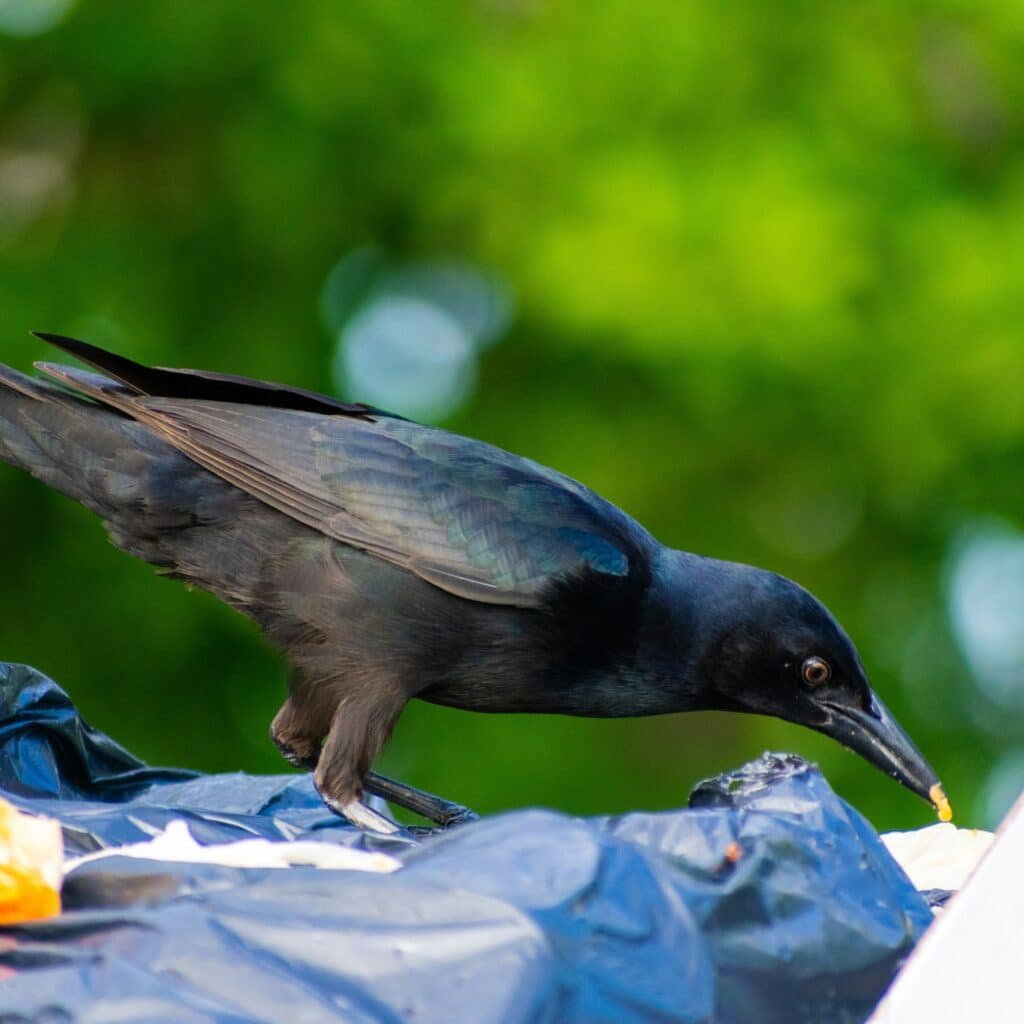
Birds, with their vibrant plumage and melodious songs, are often seen as symbols of freedom and beauty. However, when they become too comfortable in our human-dominated environments, they can transform into pesky nuisances. From property damage to health hazards, these feathered friends can quickly become unwelcome guests. Birds: More Than Meets the Eye While it’s easy to romanticize birds, it’s crucial to recognize the potential problems they can cause. Their presence can lead to a host of issues, including: The Migratory Bird Act: A Feathered Friend or Foe? The Migratory Bird Act is a cornerstone of bird conservation in the United States. It protects most migratory bird species by prohibiting their killing, capture, or possession without a permit. While this law is essential for safeguarding bird populations, it also presents challenges when dealing with bird-related problems. Due to the Migratory Bird Act, many traditional pest control methods, such as trapping or poisoning, are illegal. This means that homeowners and businesses often find themselves at a loss when dealing with bird infestations. Humane wildlife control, like what Prickly Pear offers, provides solutions that can produce results without violating the Migratory Bird Act. Fun Fact: The Migratory Bird Act protects bird nests from being disturbed when there are eggs or babies present. Bird Behavior: Why They Stick Around Understanding bird behavior is crucial for effective bird management. Birds are creatures of habit, and once they discover a suitable location for roosting, nesting, or feeding, they tend to return year after year. This makes it essential to implement preventive measures to discourage them from returning. Factors attracting birds to a particular area include: Bird Management Tips While the Migratory Bird Act imposes limitations, there are still effective and humane ways to deter birds from your property: The Health Hazards of Bird Droppings Bird droppings are not just unsightly; they can also pose serious health risks. These droppings can contain harmful bacteria, fungi, and parasites, which can cause respiratory illnesses, gastrointestinal problems, and other health issues. It’s essential to clean up bird droppings promptly and thoroughly to minimize the risk of contamination. Wear gloves and protective gear when cleaning up droppings, and avoid disturbing the dried droppings, as this can release airborne particles. Prickly Pear offers a service to clean and disinfect areas with heavy droppings which can help reduce your exposure to these health issues. A Note About Grackles If you live in central Texas, you have undoubtedly experienced the nuisance that a flock of grackles can create. Be it the bird poop covering your car, the loud screeching in the parking lot of your local HEB, or the sneaky thieves watching you on the patio of your favorite taco shop, these black birds seem to be everywhere! Despite their protected status as a songbird, most Texans only know of these birds as pests and the size of their flocks with hundreds of birds quickly give us images of Alfred Hitchcock’s movie “The Birds” from the 1960’s. Managing these birds has proven to be problematic for businesses, homeowners, and governments alike and while a large flock that has been using a roost (perhaps the trees in a local parking lot) is unlikely to be deterred by the usual bird deterrent, we have seen some success with a small flock and deterring them from selecting a new sight. But if you are dealing with an infestation of grackles, give Prickly Pear a call we would love to help. Conclusion While birds are undoubtedly fascinating creatures, they can also become problematic when they overstay their welcome. By understanding bird behavior and implementing effective management strategies, you can minimize the negative impacts of these feathered visitors while still appreciating their beauty from a safe distance. Early prevention is key, and consistent efforts are essential to keep birds at bay. Also, if you are dealing with a nest, it can be frustrating, but we need to wait for the babies to grow and leave the nest before mitigating the bird issue. Professional companies, like Prickly Pear, have a variety of products at their disposal to not only deter birds, but to clean up the mess they left behind when they are gone.
Cheeking Out a Chipmunk

The chipmunk, a striped symphony of rust and brown, is a tiny tenant in the grand scheme of North American wildlife. These energetic burrowers hold the title of “cheekiest character” in the critter kingdom, thanks to their signature bulging cheeks used to store an impressive amount of food. A Statistical Snapshot of the Speedy Scamperer Chipmunks number in the tens of millions across the US and Canada. With over 25 species of chipmunks across North America there is a lot of variety among these curious rodents. They’re most active in the eastern half of the continent, particularly in deciduous forests with a healthy understory. While some species venture out for an occasional midnight snack, chipmunks are primarily diurnal (active in the day), bustling about in the warmth of the sun. A chipmunk’s diet is a buffet of nature’s bounty. They devour nuts, seeds, fruits, and even insects. Adapted to living among humans, these cheek-pouch bandits are notorious for raiding vegetable gardens and sampling your backyard produce. Fun Fact: a chipmunk’s cheek pouches can stretch to hold up to three times the volume of their head – that’s like a human stuffing a watermelon in each cheek! Do You Have a Backyard Hoarder? If you suspect a chipmunk has set up camp in your yard, keep an eye out for these telltale signs: Chipmunk Courtship Despite what a certain crime fighting cartoon duo may have you believe, Chipmunks are solitary creatures except during breeding season. Mating Season typically occurs in the spring (March-May) when males compete for a mate through a series of vocalizations and chases. These chases are often thought of as brothers playing rather than the show for superiority. After a successful courtship, the female gives birth to a litter of 4-8 pups in an underground chamber. The young chipmunks will stay with their mother for about 8 weeks before venturing out on their own. The Vital Role of the Little Chomper Chipmunks may seem like garden pests, but they play a crucial role in their ecosystem. They help disperse seeds through their food-storing habits. When they bury nuts and forget about them, new trees and plants sprout, promoting diversity in the forest. Additionally, chipmunks become prey for various animals like owls, hawks, and foxes, keeping the food chain balanced. Keeping Your Property Chipmunk Challenged While chipmunks are undeniably adorable, their love of vegetables can be a source of frustration for home gardeners. Here are some ways to make your property less attractive to these cheeky critters: Remember, they’re just trying to gather enough nuts to survive the winter – and that requires a whole lot of cheek! With this understanding, you might even come to appreciate their frenetic energy and the symphony of chirps that fill your backyard in the spring. Prickly Pear is available to assist with getting your chipmunks under control. Fun Fact: Did you know that while there are 25 species of chipmunk in North America, the eastern half of the US is dominated by 1 species while the other 24 species share the western US!